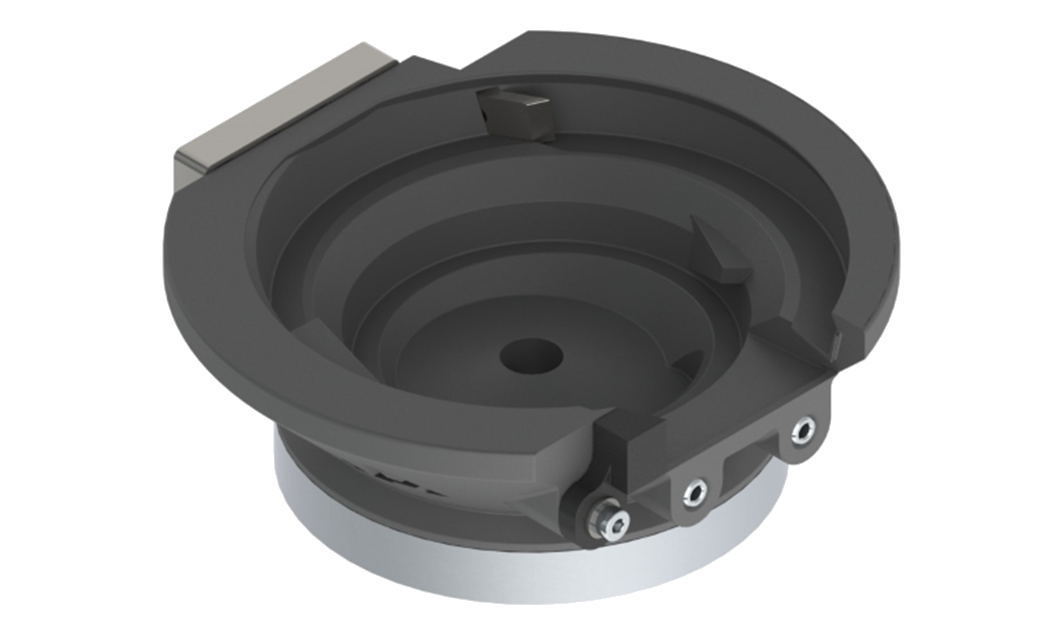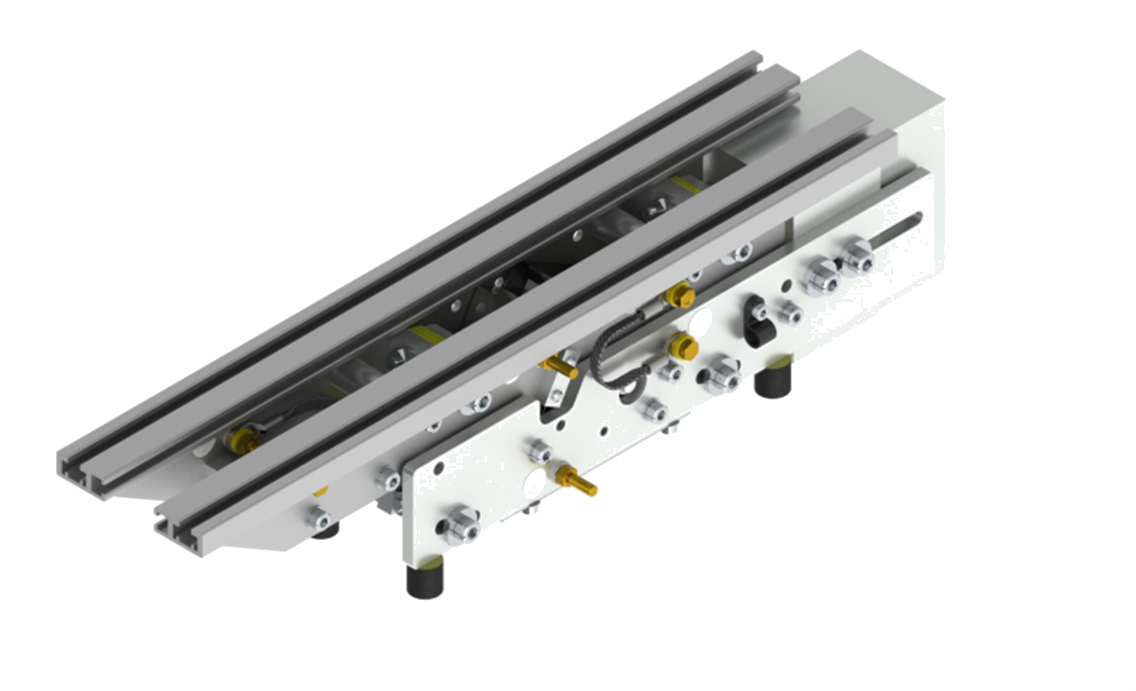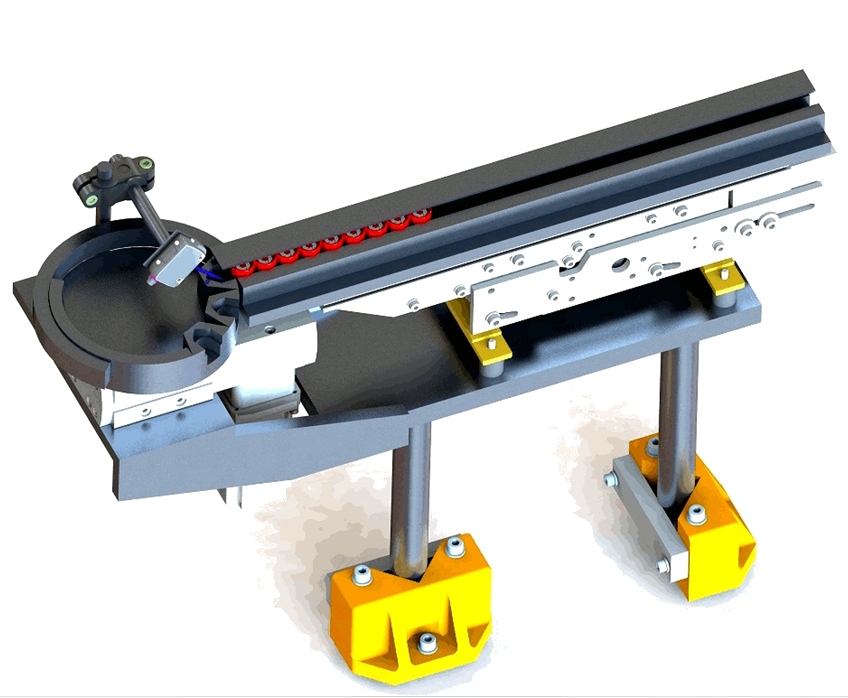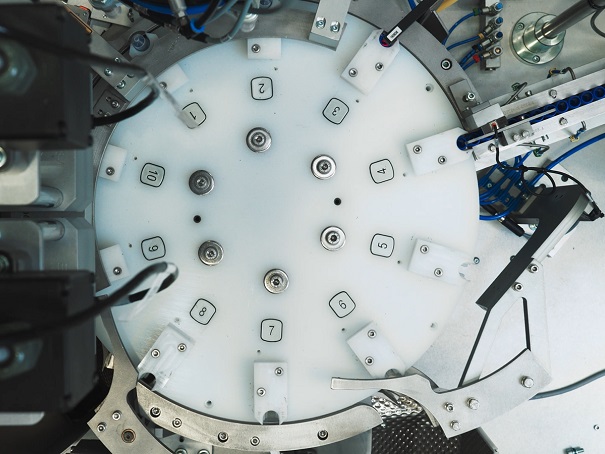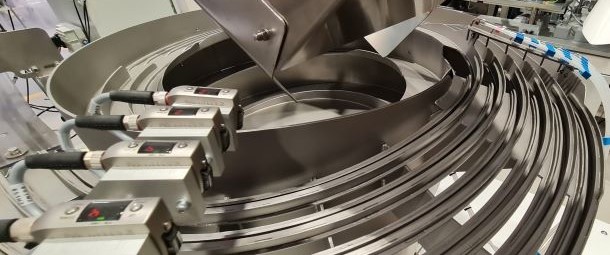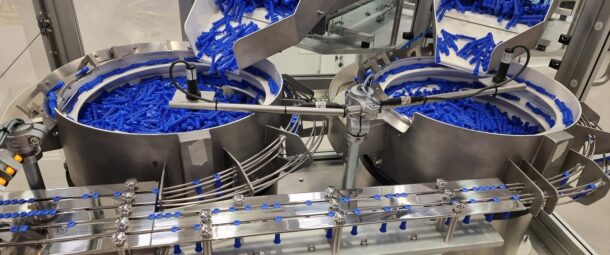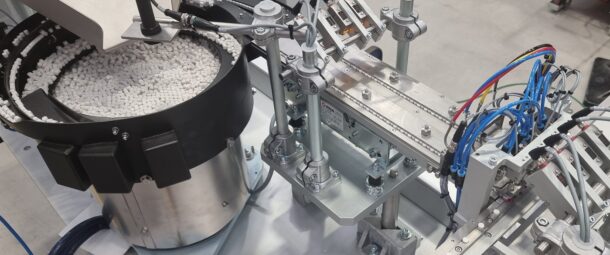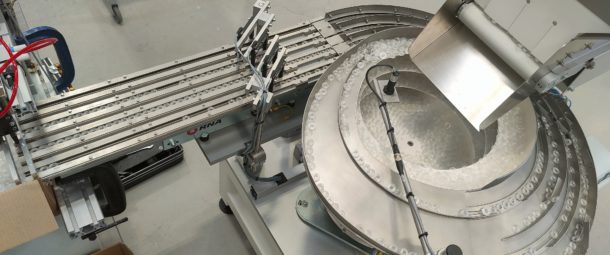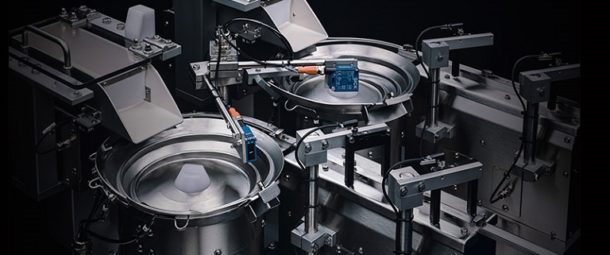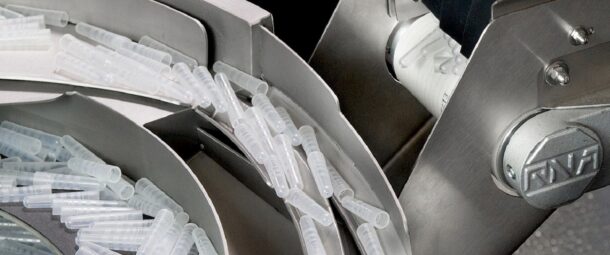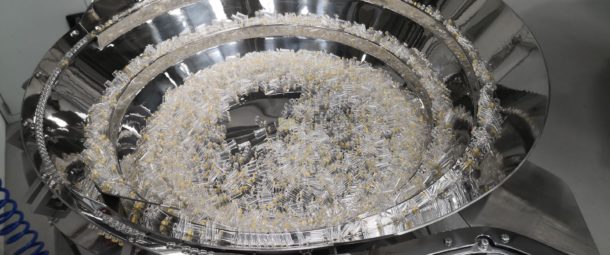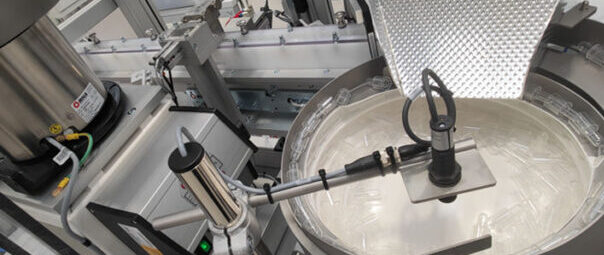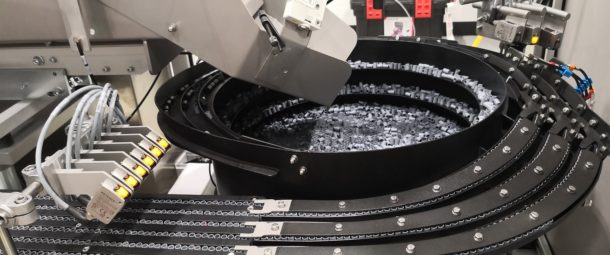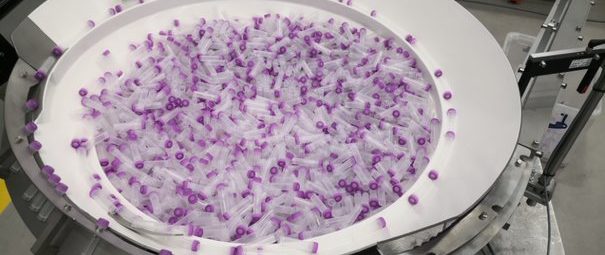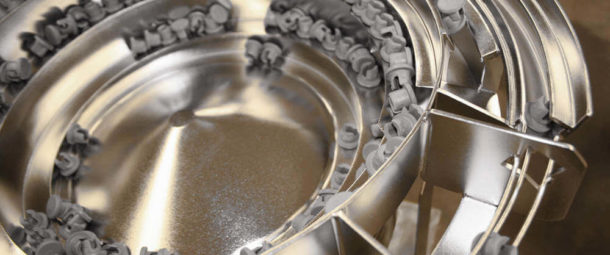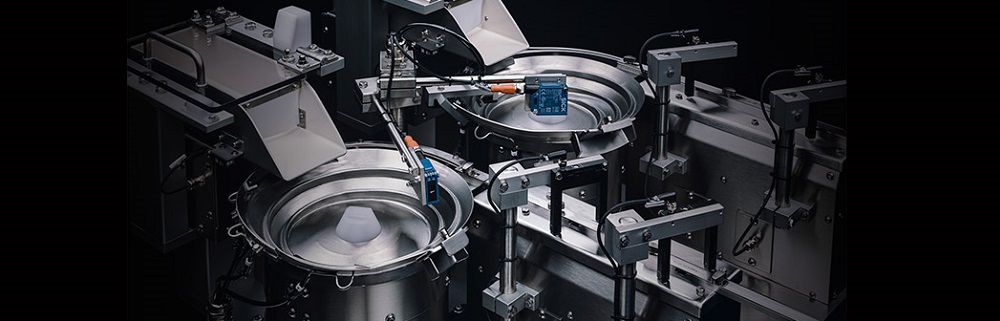
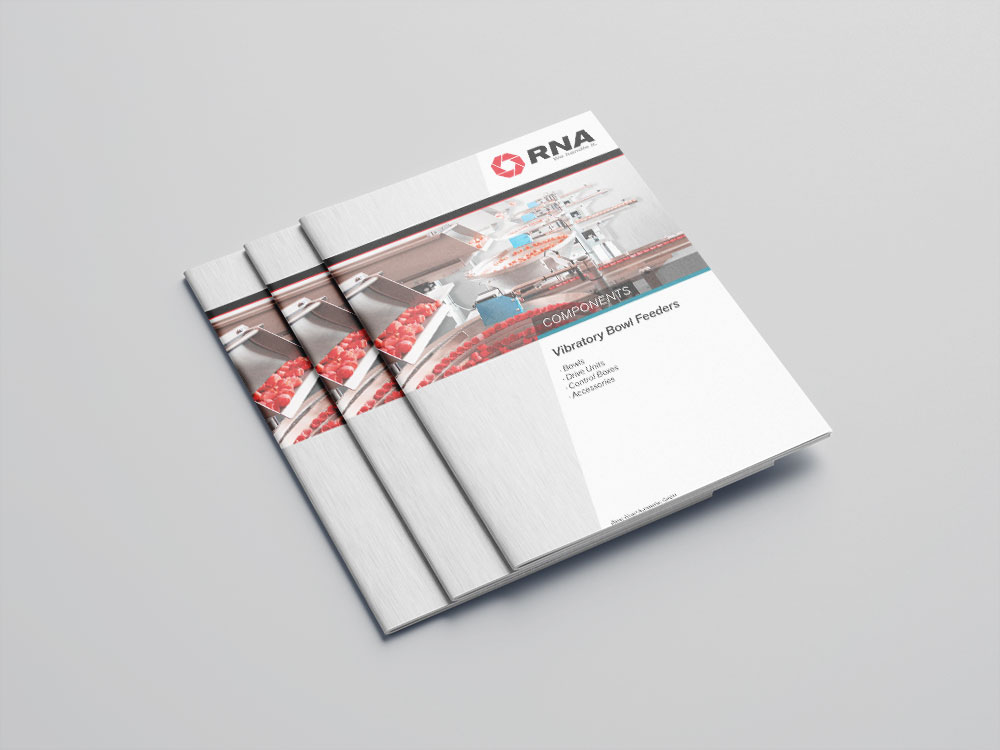

RNA designs and manufactures Pharmaceutical Vibratory Bowl Feeders for pharmaceutical and medical device manufacturing.
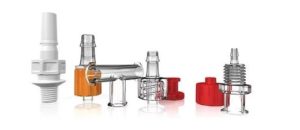
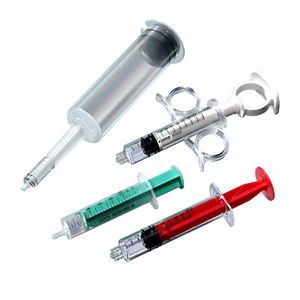
Our custom vibratory bowl feeders provide reliable feeding, orientation and presentation of components including autoinjectors, syringes, Luer fittings, vials, stoppers and closures, with solutions available for cleanroom and high-speed production environments.

Pharmaceutical and medical device manufacturing places demanding requirements on automated parts feeding. Components may be small, lightweight, delicate or difficult to orient, while equipment can also be subject to strict requirements for materials, surface finish, cleanability and production environment.
RNA develops pharmaceutical feeding systems to reliably feed, orient and present components for subsequent assembly, inspection, packaging or robotic handling.
Reliable pharmaceutical component feeding requires more than simply moving parts from a hopper to an assembly machine. Component geometry, material, surface condition and orientation requirements all influence feeder performance.
Send your message to a member of our team
Read our Privacy Policy to learn how we manage and protect your submitted information.
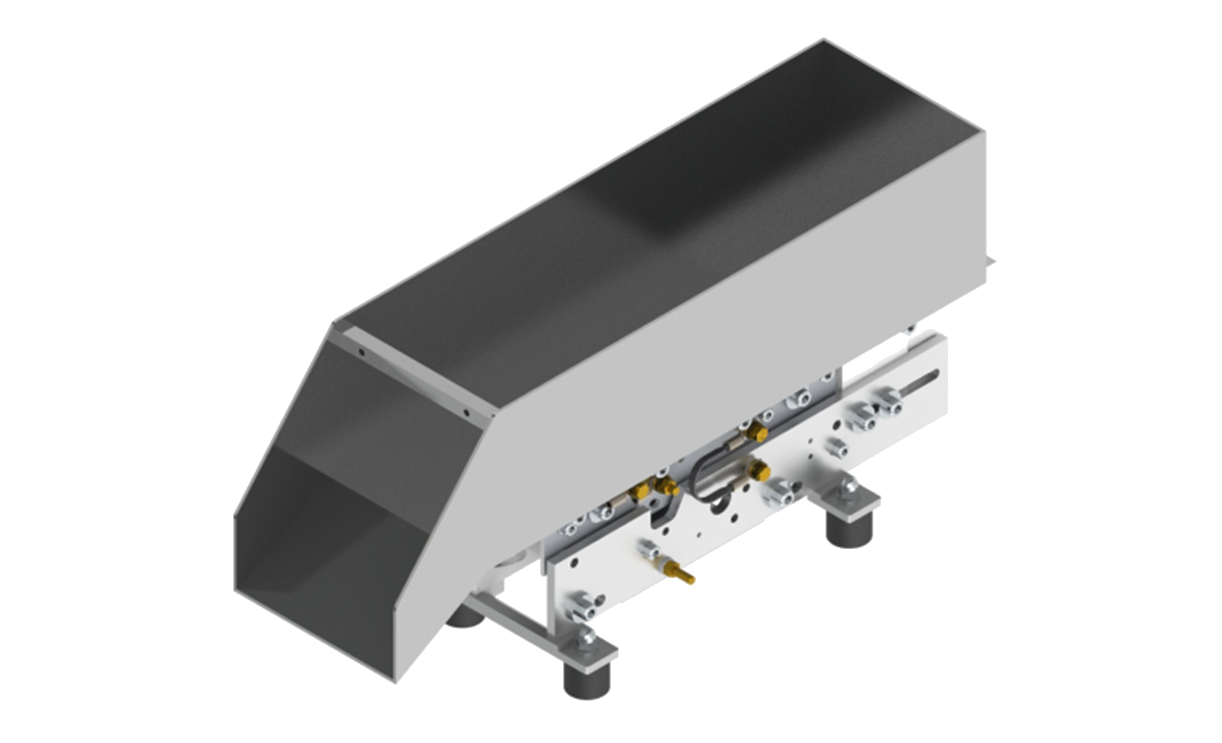
A pharmaceutical bowl feeder is a vibratory feeding system designed to separate, orient and deliver pharmaceutical or medical device components from bulk supply to an automated production process. Applications include syringes, autoinjectors, vials, stoppers, connectors, closures and other precision components.
Yes. Bowl feeding systems can be engineered for controlled manufacturing environments using appropriate construction materials, surface finishes and equipment design. RNA can develop systems for ISO Class 6–9 cleanroom environments, depending on the specific project requirements.
Yes. RNA pharmaceutical bowl feeders can be manufactured using 304, 316 or 316L stainless steel depending on application requirements. Polished, electropolished and passivated finishes are also available.
Yes, although the feeder must be designed around the component. Bowl geometry, vibration settings, tooling and contact surfaces can be engineered to minimise unnecessary component impact and protect sensitive surfaces.
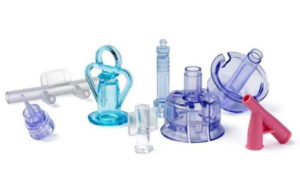
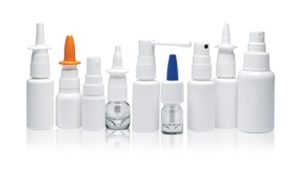
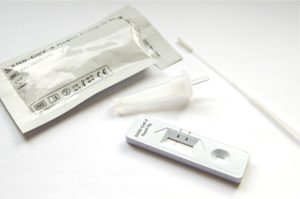
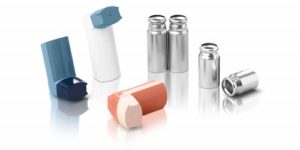
Typical applications include autoinjector components, syringes, plungers, Luer fittings, medical connectors, vials, caps, closures, stoppers, inhaler components, test tubes, valves and other pharmaceutical or medical device components.
In some applications, multiple component variants can be accommodated using adjustable or interchangeable tooling. Feasibility depends on differences in component geometry, dimensions, orientation and required feed rate.
Feasibility depends on the component geometry, material, required orientation, production rate and downstream process. Providing component drawings, CAD data or physical samples allows RNA engineers to assess the application and determine an appropriate feeding concept.