Vibratory Bowl Feeder for Autoinjector Components

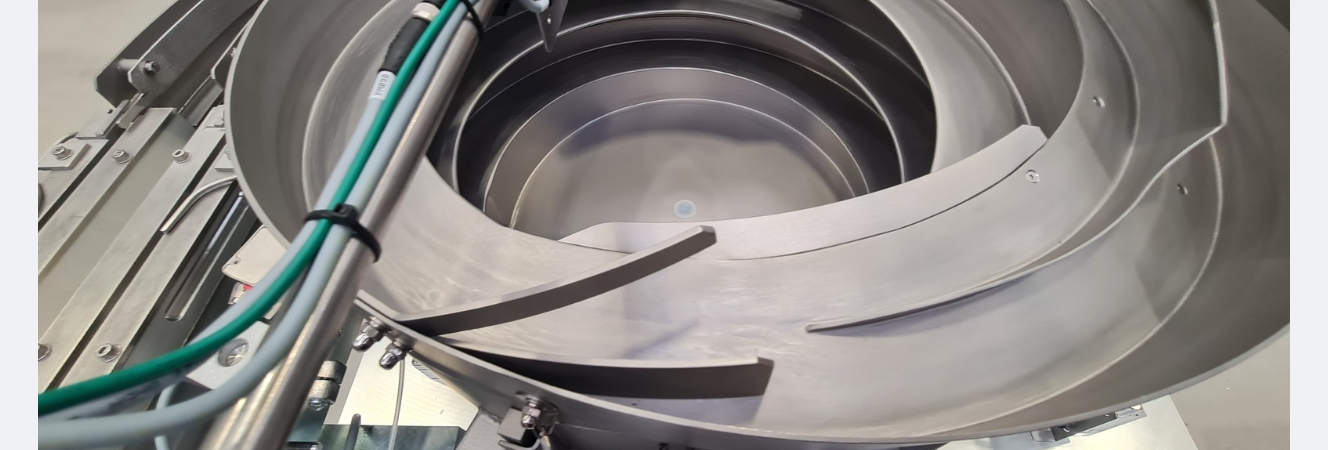
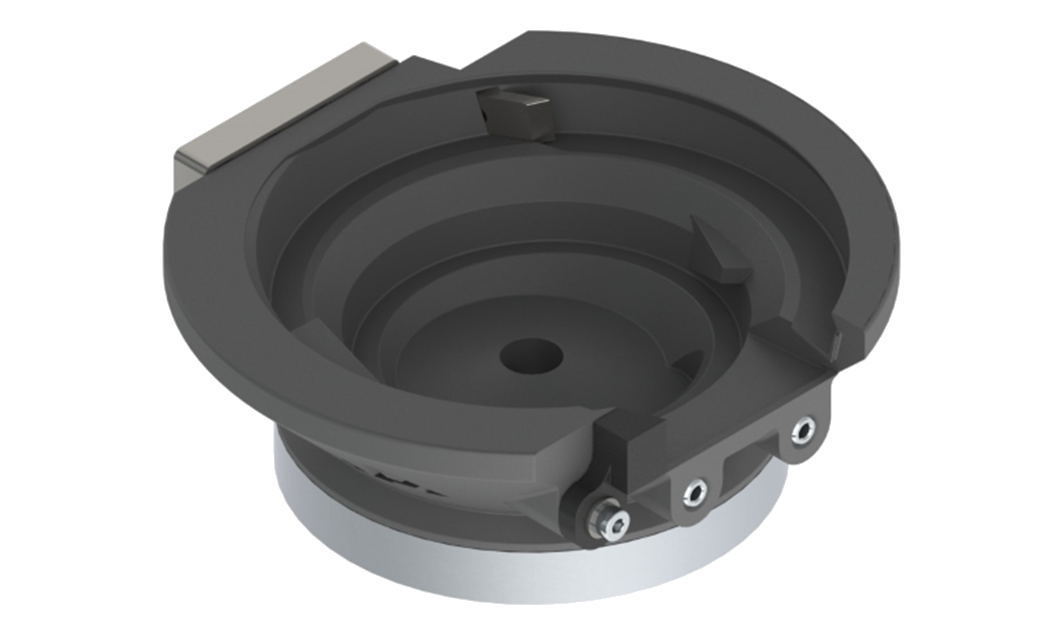
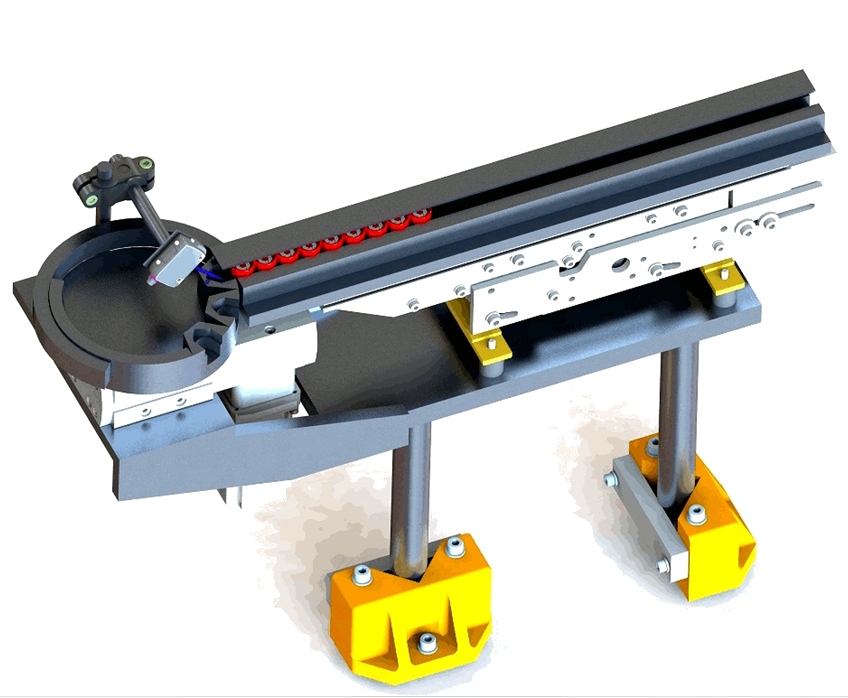
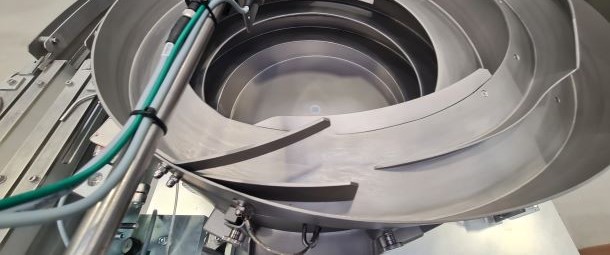
RNA designs and manufactures vibratory bowl feeders for autoinjector components, providing controlled feeding, orientation and presentation for automated medical device assembly. Our autoinjector feeding systems can handle components including housings, plunger rods, cap removers and end caps, with single- or multi-lane outfeeds engineered around the required production rate.

autoinjector

Sectors

Medical Device

autoinjector

Systems can incorporate bulk hoppers, pharmaceutical-grade bowl construction, FDA-approved coatings and multi-lane linear feeding to provide a consistent supply of correctly orientated components to downstream assembly equipment.

Automated Component Feeding for Autoinjector Assembly

Reliable component feeding is a critical first stage in automated autoinjector assembly. Components supplied in bulk must be separated, orientated and transferred to the assembly process at a controlled rate and in a repeatable position. At higher production speeds, the feeding system must also maintain sufficient accumulation and component availability across multiple lanes without compromising orientation.

RNA develops the complete feeding solution around the component geometry, required orientation, production rate and downstream machine interface.


Digitalisation

Overcoming Engineering Challenges in Autoinjector Component Feeding

Complex Geometry and Orientation
Housings, plunger rods and caps can have subtle orientation features or multiple stable positions. Application-specific bowl tooling separates, orientates and rejects incorrectly positioned components.
Component Protection
Medical-device components may have sensitive functional or cosmetic surfaces. Suitable bowl materials, tooling and coatings help control contact and minimise component damage during feeding.
Reliable Downstream Presentation
Correct orientation alone is not enough. Components must arrive at the required position, pitch and rate for the downstream assembly process, making the feeder and machine interface an integral part of system design.

Autoinjector Components We Can Feed

RNA design and manufacture vibratory bowl feeders to feed and orient autoinjector components of various sizes and shapes.
 

What is an autoinjector?

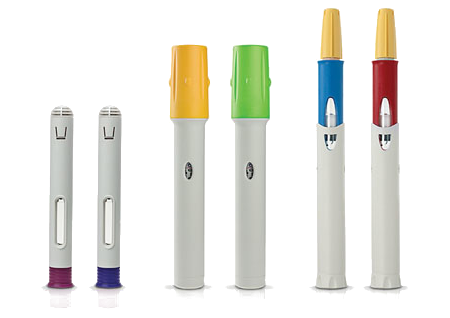
Autoinjectors (also known as self-injectors, pen injectors) are medical devices designed to deliver a pre-measured dose of medication, typically through a needle, in a quick and easy manner. They are often used for self-administration or by non-medical personnel in emergency situations.
 

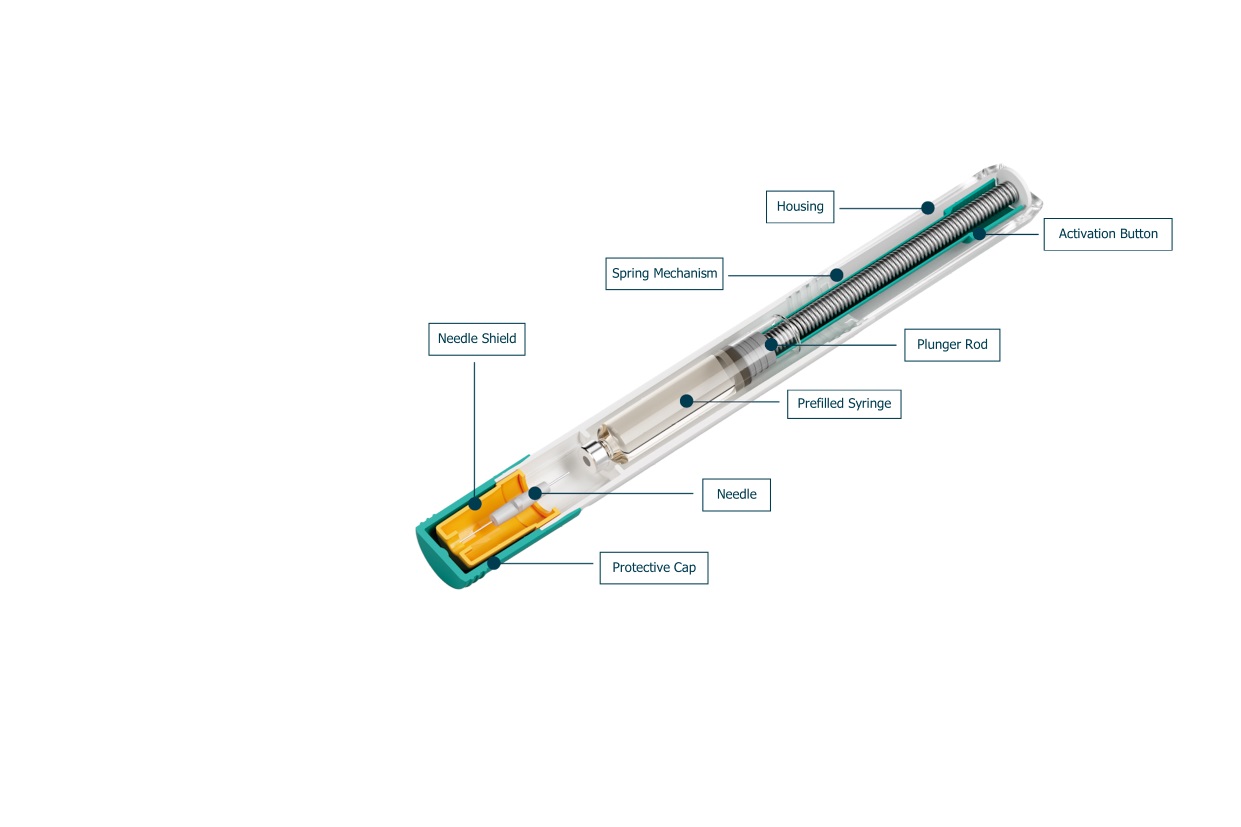
Key elements of an autoinjector

  1. Housing (Outer Shell)
  2. Needle
  3. Needle Shield or Cover (Post-Injection)
  4. Prefilled Syringe (Cartridge)
  5. Plunger Rod
  6. Spring Mechanism
  7. Activation Button
  8. Safety Mechanism
  9. Inspection Window
Send us your component drawing and samples for a feeding assessment — https://www.rnaautomation.com/contact/
RNA Automation
RNA Automation

How an Autoinjector Component Feeding System Works

1. Bulk Component Loading
Bulk Component Loading
1/5

Bulk Component Loading

A hopper provides additional component storage and automatically replenishes the vibratory bowl, reducing manual loading and maintaining an appropriate component level for consistent operation.

Contact us
2. Vibratory Bowl Feeding
3. Single- or Multi-Lane Transfer
4. Controlled Presentation
5. Inspection Where Required
Special requirements are available upon request
Bulk Component Loading
1/5

Bulk Component Loading

A hopper provides additional component storage and automatically replenishes the vibratory bowl, reducing manual loading and maintaining an appropriate component level for consistent operation.

Links:

Contact us
Vibratory Bowl Feeding
2/5

Vibratory Bowl Feeding

Controlled vibration moves components through application-specific tooling within the bowl.

Links:

Contact us
Single- or Multi-Lane Transfer
3/5

Single- or Multi-Lane Transfer

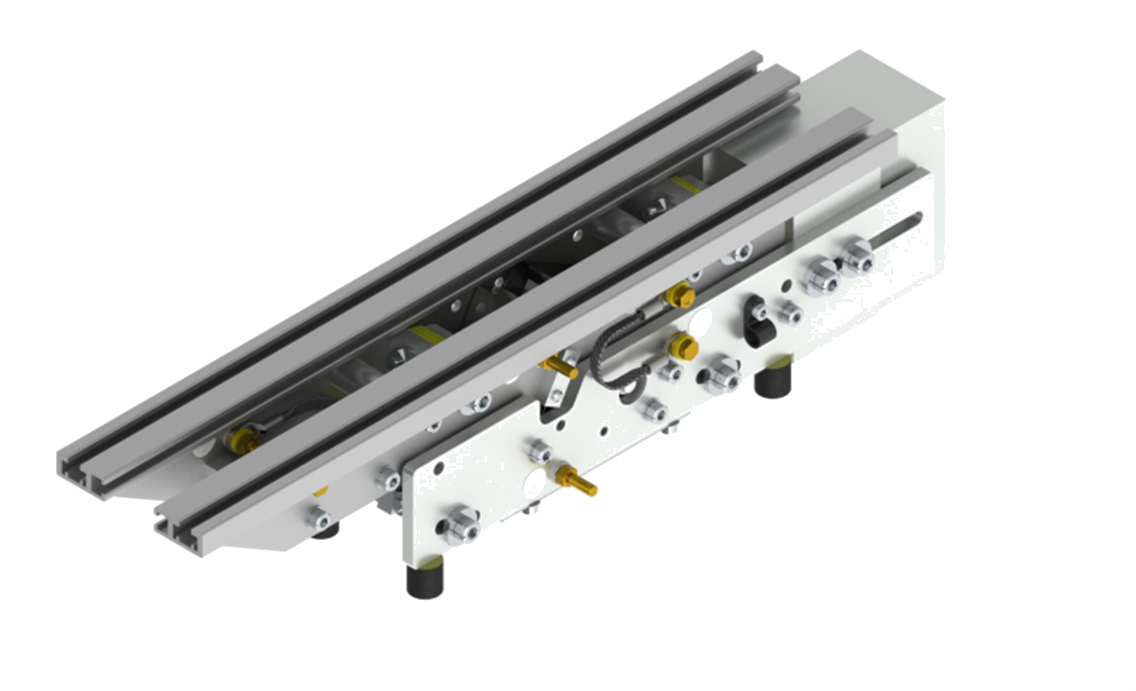
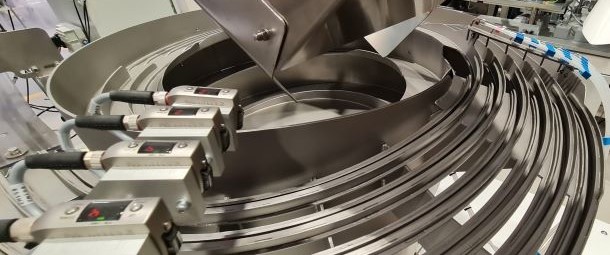
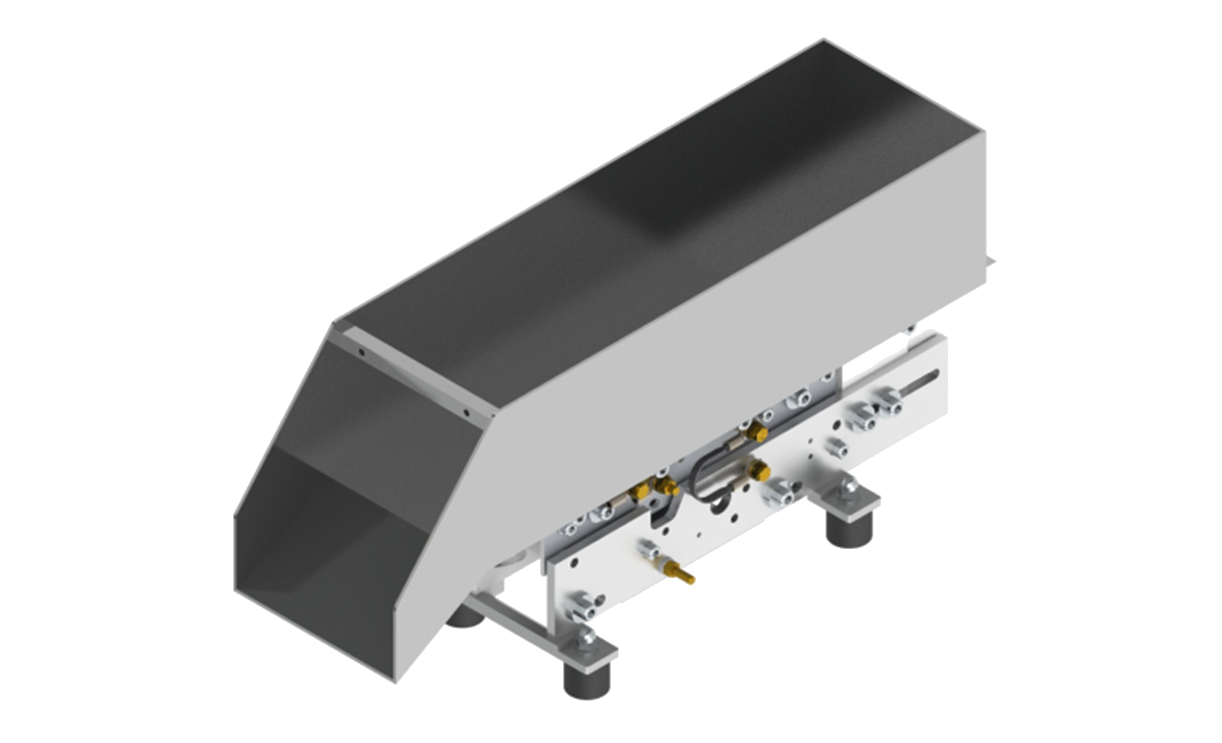
Correctly orientated components transfer from the bowl onto a linear outfeed. For high-speed applications, multiple lanes can divide the required production output across parallel tracks while providing accumulation between the bowl and downstream equipment.

Links:

Contact us
Controlled Presentation
4/5

Controlled Presentation

An escapement separates individual clips from the accumulated line and presents them in a repeatable position.

Links:

Contact us
Inspection Where Required
5/5

Inspection Where Required

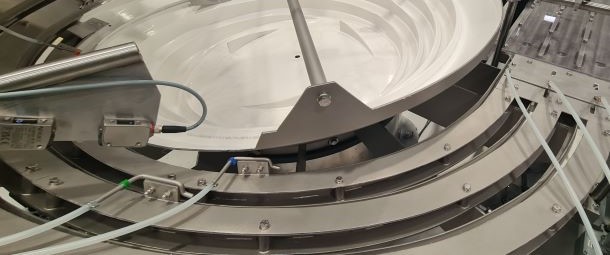
Sensors or machine vision can be integrated where the process requires additional verification of component presence, position or orientation before assembly.
Contact us
Designed for Medical Device Manufacturing

Stainless Steel Bowl Tops

Bowl tops are available in stainless steel grades 304 and 316L, providing durable construction suitable for demanding medical-device applications.

FDA-Approved Coatings

FDA-approved polyurethane coating can be applied where appropriate to support controlled component movement and protect contact surfaces.

Pharmaceutical Feeder Construction

For applications requiring higher levels of cleanability, RNA's pharmaceutical feeding range can incorporate stainless-steel construction, suitable surface finishes and pharmaceutical-style feeder design.

Cleanroom Requirements

Where required, feeding equipment can be engineered around specified cleanroom and production-environment requirements.

Vision Inspection

Where additional process verification is required, sensors or machine vision inspection can be integrated with the feeding system.

Depending on the component and application, inspection can be used to verify factors such as:

👉 Component presence
👉 Correct orientation
👉 Position before transfer
👉 Selected component features
👉 Incorrect or unsuitable parts

Digital Validation

RNA’s Digital Solutions can support feeder development by using simulation and digital engineering techniques to assess component behaviour and feeder concepts before physical manufacture.

Digital validation can help identify potential orientation and handling issues earlier in development, reducing dependence on repeated physical design iterations.

This can be particularly valuable when working with complex component geometries, demanding feed rates or new medical-device designs.

Applications

Bowl feeder-housing

Bowl Feeder for Housings

Read More

Component:
Autoinjector-Housing

Speed:
240 components per minute (40 ppm per lane)

Equipment:

  • Hopper (2 off)
  • Vibratory Bowl Feeder (2-off)
  • FDA approved polyurethane coating
  • Linear Out-feed fitted with a six lane tooled track
Plunger Rod 1

Bowl Feeders for Plunger Rods

Read More

Component:
Autoinjector-Plunger Rod

Speed:
300 components per minute (50 ppm per lane)

Equipment:

  • Hopper
  • Vibratory Bowl Feeder
  • FDA approved polyurethane coating
  • Linear Out-feed fitted with a six lane tooled track
Cap remover 1

Bowl Feeders for Cap Removers

Read More

Component:
Autoinjector-Cap Remover

Speed:
250 components per minute (125 ppm per lane)

Equipment:

  • Hopper
  • Vibratory Bowl Feeder
  • FDA approved polyurethane coating
  • Linear Out-feed fitted with a twin lane tooled track
Mechanical holder 1

Bowl Feeders for End Caps

Read More

Component:
End Caps

Speed:
250 components per minute (125 ppm per lane)

Equipment:

  • Hopper
  • Vibratory Bowl Feeder
  • FDA approved polyurethane coating
  • Linear Out-feed fitted with a twin lane tooled track
×

Contact

Send your message to a member of our team

"*" indicates required fields

This field is for validation purposes and should be left unchanged.
Would like to receive our quarterly newsletter?

Read our Privacy Policy to learn how we manage and protect your submitted information.

Autoinjector Component Feeding FAQs

What autoinjector components can be fed using a vibratory bowl feeder?

Vibratory bowl feeders can be used for suitable autoinjector components including housings, plunger rods, cap removers, end caps and other moulded or mechanical parts. Feasibility depends on component geometry, material, orientation and required production rate.

Why use a multi-lane feeder for autoinjector components?

Multi-lane feeding divides the total production requirement across parallel tracks. This can provide the component availability and accumulation required for high-speed assembly while maintaining controlled orientation and presentation.

Can autoinjector components be fed without damaging their surfaces?

Feeder geometry, tooling and coatings can be selected according to the component’s material and surface requirements. FDA-approved polyurethane coatings are among the options available for suitable medical-device feeding applications.

Can the feeding system incorporate vision inspection?

Yes. Vision or sensor technology can be integrated where additional checks for component presence, position, orientation or selected features are required.

Can RNA feeding systems be designed for cleanroom production?

RNA’s pharmaceutical feeding equipment can be engineered around specified cleanroom requirements. Appropriate construction, materials and finishes depend on the required production environment and individual project specification.

What information is required to specify an autoinjector component feeder?

Component samples or CAD data, required orientation, production rate and downstream machine interface provide the main starting points. Material, component variation, available space, environmental requirements and inspection requirements should also be considered.

Contact us