
Also available in:
 English (United States)

Also available in:
English (United States)
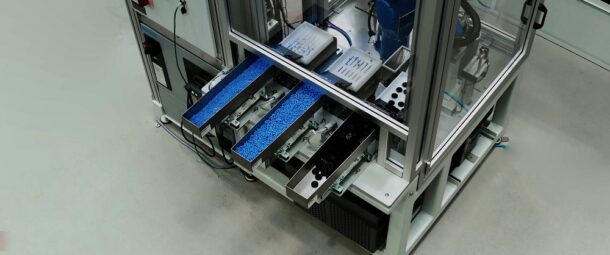
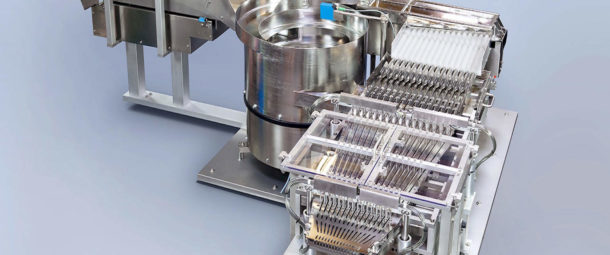
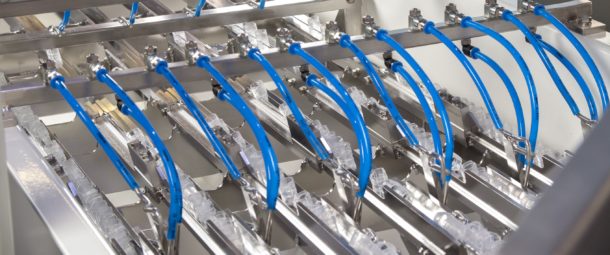
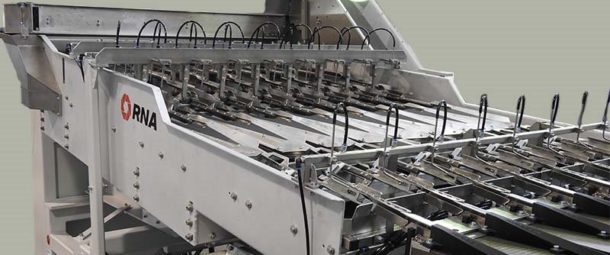
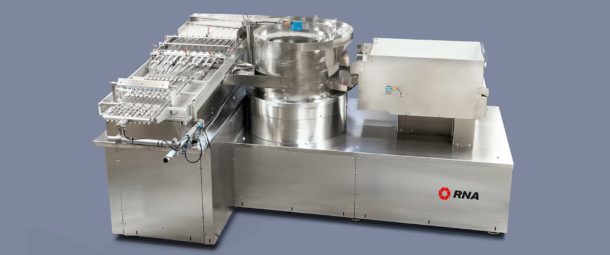
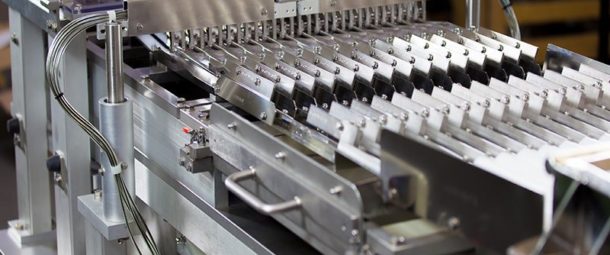
Linear feeders, also known as Multi-lane Linear Systems, convey oriented components from bowl feeders over short or relatively long distances, thereby creating a buffer storage. They enable a consistent flow of orientated components from the bowl feeder to escapement devices creating product accumulation prior to a machine or handling unit.
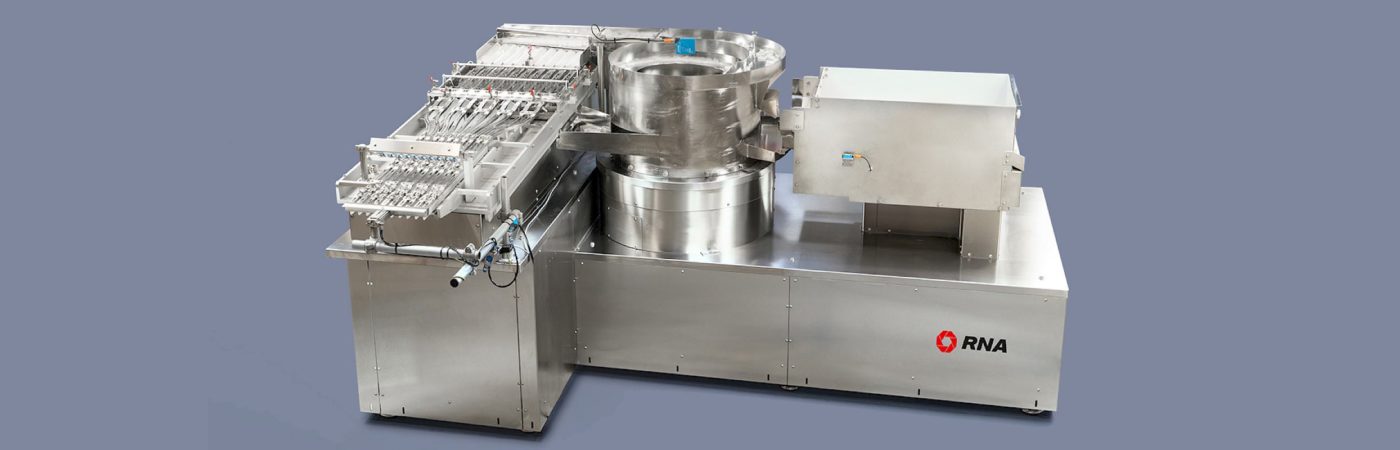
In addition to horizontal conveying, linear feeders can buffer irregular part supplies from upstream equipment, smoothing flow and maintaining a continuous feed to assembly or inspection stations. With multi-track configurations, higher output rates can be achieved, making them suitable for demanding production environments. Linear feeders are available in lengths of up to 3 metres and share RNA’s proven multi-magnet drive technology, offering a compact, robust, and virtually maintenance-free solution.
For applications requiring maximum flexibility, RNA’s FlexType™ high-performance linear feeding systems(FlexType™ L/M/S/C) extend these capabilities further. Designed for component parts with few discernible orientation features, FlexType™ linear feeding systems can feed multiple variants within the same part family on a single platform. Selection tracks can be changed quickly, allowing rapid adaptation to new components or production requirements.
FlexType™ linear feeding systems are available in various sizes and performance levels to suit the part characteristics and assembly line layout, combining high output with excellent operator comfort.

Linear feeders, also known as Multi-lane Linear Systems, convey oriented components from bowl feeders over short or relatively long distances. Apart from pure transportation tasks, linear feeders also act as buffer and accumulation lines. Even if their feeding is incomplete or irregular, component parts can be continuously supplied by the preceding sorting installation for the following processing stage.
Besides, linear feeders enable a sorting free of lateral oscillation (linear sorting lines). These sorting lines can also be installed as multi-tracks, in order to achieve a higher sorting efficiency. Parts that have been sorted out are led back to the preceding feeding system via so-called sorting hoppers which are activated by the linear feeder as well.
Linear feeders also serve as a drive for bulk hoppers to stockpile mass-produced parts. Thanks to the way they are constructed, the advantage of these vibratory hoppers in comparison to other hopper systems is that they guarantee a trouble and gap-free material flow, plus they allow for large filling weights.
The linear feeders by RNA reach high feeding capacities and fulfil their tasks even on long feeding lines and under critical conditions.
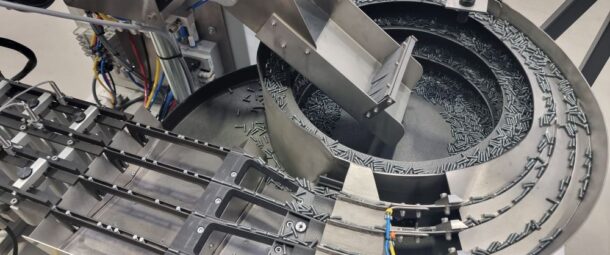
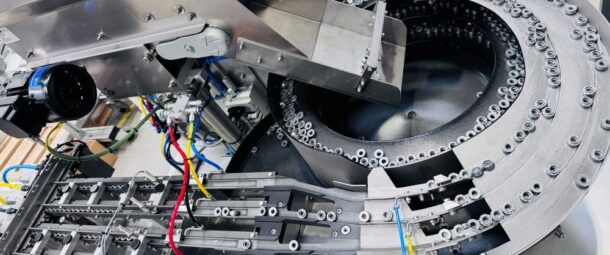
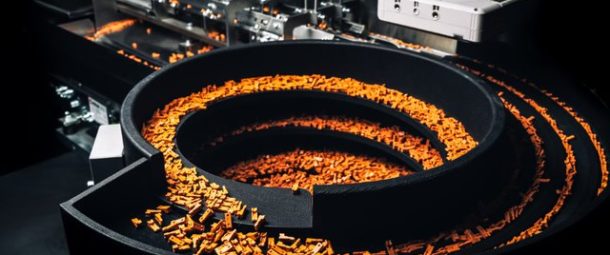
3D Printed Bowl Feeder for Filigree Parts from the Electrical Industry
Read More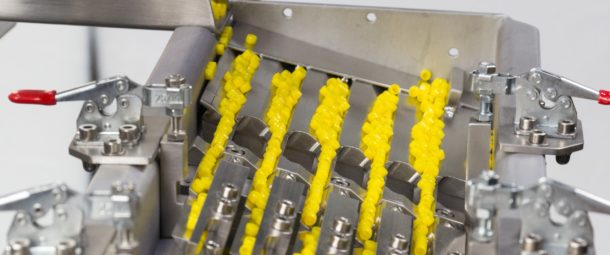
Industrial Automation Solutions
Multi-lane Linear System
Also available in:
English (United States)
Also available in:
English (United States)
Send your message to a member of our team
Read our Privacy Policy to learn how we manage and protect your submitted information.