Complex Geometry and Orientation
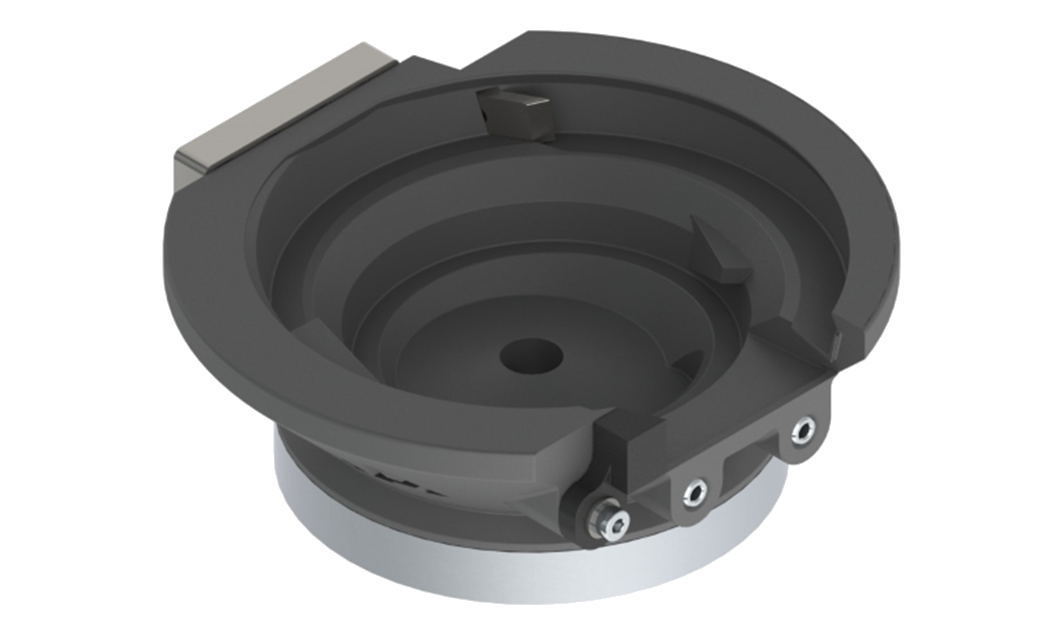
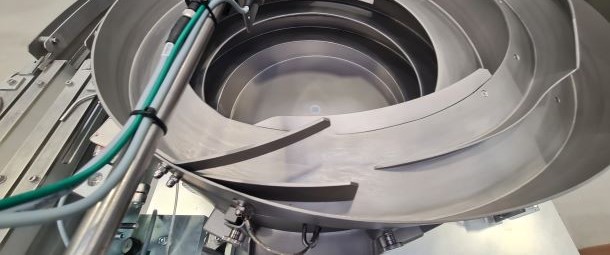
Housings, plunger rods and caps can have subtle orientation features or multiple stable positions. Application-specific bowl tooling separates, orientes and rejects incorrectly positioned components.
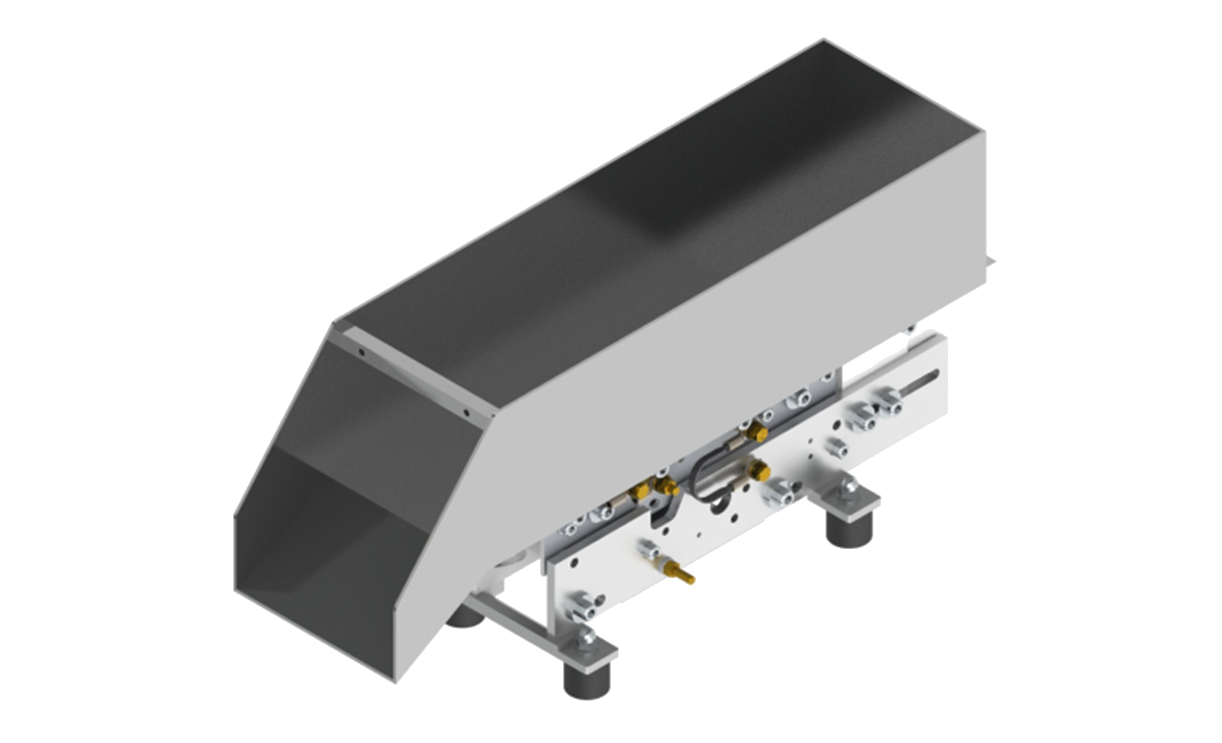
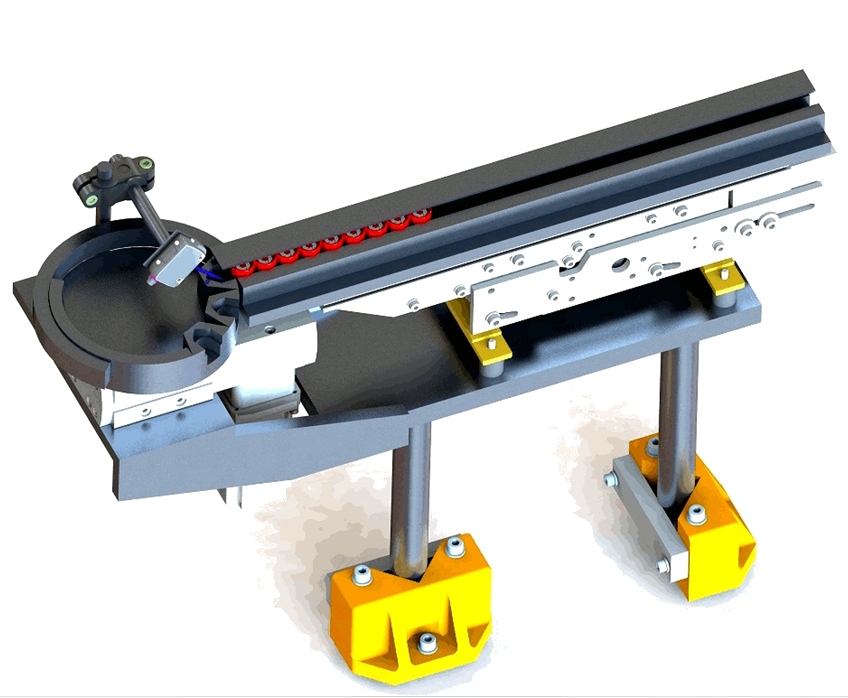
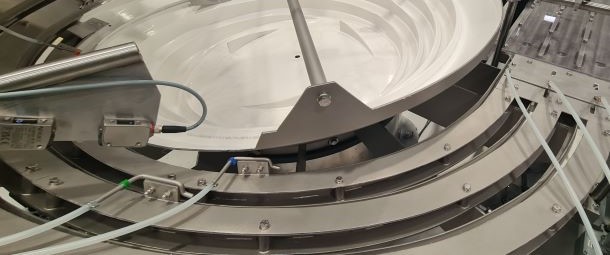
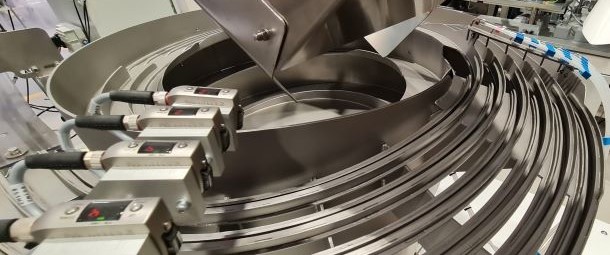
RNA designs and manufactures vibratory bowl feeders for autoinjector components, providing controlled feeding, orientation and presentation for automated medical device assembly. Our autoinjector feeding systems can handle components including housings, plunger rods, cap removers and end caps, with single- or multi-lane outfeeds engineered around the required production rate.
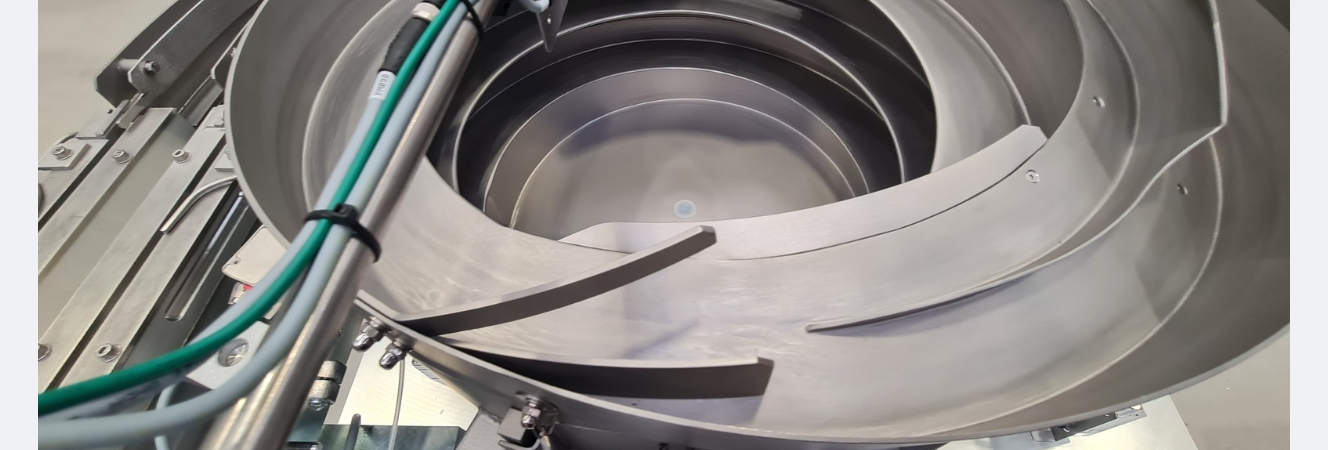
Reliable component feeding is a critical first stage in automated autoinjector assembly. Components supplied in bulk must be separated, orientated and transferred to the assembly process at a controlled rate and in a repeatable position. At higher production speeds, the feeding system must also maintain sufficient accumulation and component availability across multiple lanes without compromising orientation.
RNA develops the complete feeding solution around the component geometry, required orientation, production rate and downstream machine interface.

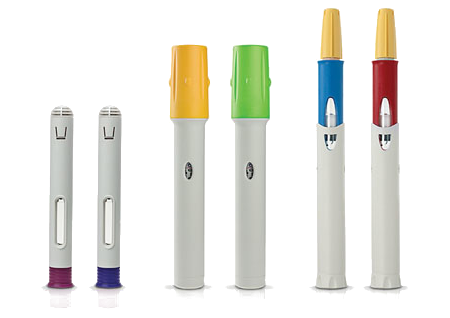
RNA design and manufacture vibratory bowl feeders to feed and orient autoinjector components of various sizes and shapes.
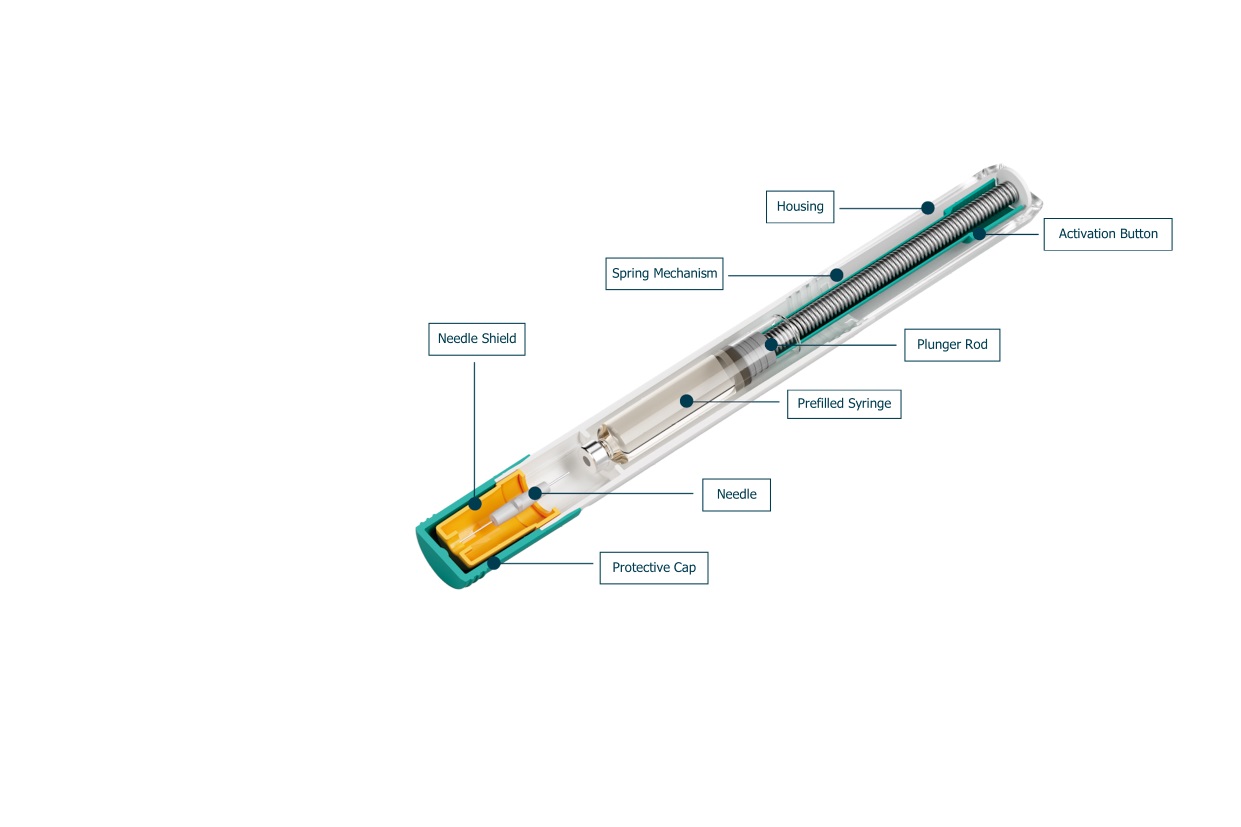
Autoinjectors (also known as self-injectors, pen injectors) are medical devices designed to deliver a pre-measured dose of medication, typically through a needle, in a quick and easy manner. They are often used for self-administration or by non-medical personnel in emergency situations.



Send your message to a member of our team
Read our Privacy Policy to learn how we manage and protect your submitted information.
Vibratory bowl feeders can be used for suitable autoinjector components including housings, plunger rods, cap removers, end caps and other moulded or mechanical parts. Feasibility depends on component geometry, material, orientation and required production rate.
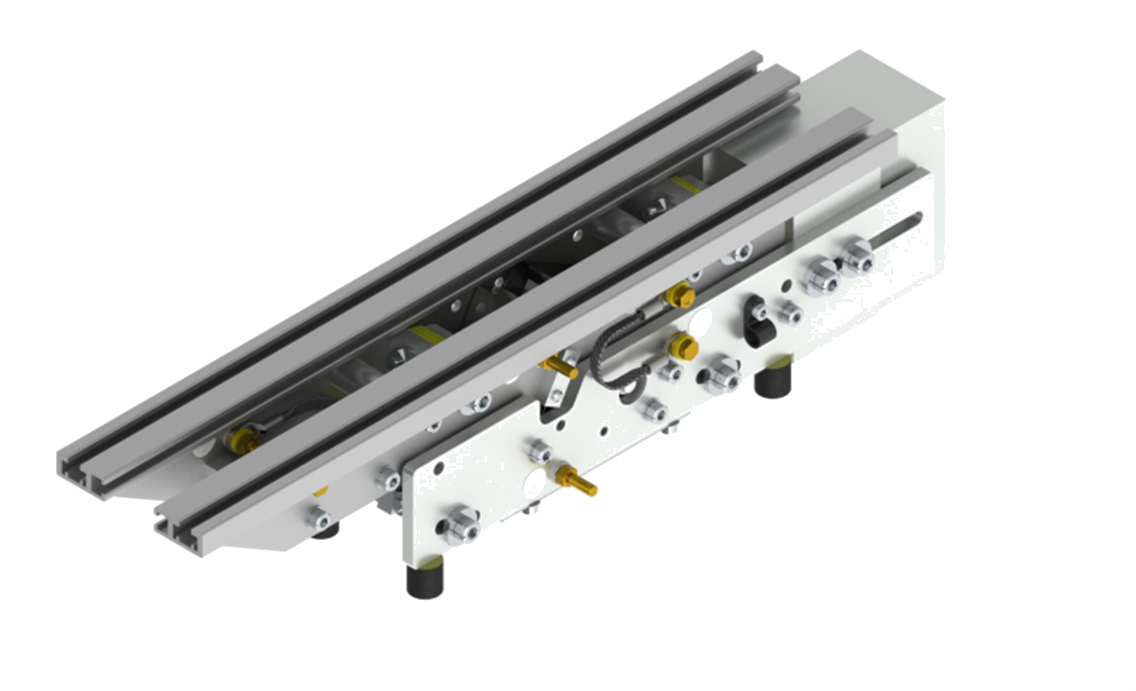
Multi-lane feeding divides the total production requirement across parallel tracks. This can provide the component availability and accumulation required for high-speed assembly while maintaining controlled orientation and presentation.
Feeder geometry, tooling and coatings can be selected according to the component’s material and surface requirements. FDA-approved polyurethane coatings are among the options available for suitable medical-device feeding applications.
Yes. Vision or sensor technology can be integrated where additional checks for component presence, position, orientation or selected features are required.
RNA’s pharmaceutical feeding equipment can be engineered around specified cleanroom requirements. Appropriate construction, materials and finishes depend on the required production environment and individual project specification.
Component samples or CAD data, required orientation, production rate and downstream machine interface provide the main starting points. Material, component variation, available space, environmental requirements and inspection requirements should also be considered.

